







10 Summer Gardening Tips

As the weather heats up, it’s important to make sure your plants have everything they need to thrive. Proper watering, shade, and deadheading are a great place to start!
Continue reading to ensure you have all your bases covered for a successful summer gardening season.
Water Deeply, Not Frequently

Deep watering encourages stronger root systems and helps plants become more tolerant to drought. Water early in the day to reduce evaporation and prevent fungal issues. Research your plants if you’re unsure exactly how much water they need—some thrive in consistently moist (not soggy) soil, while others prefer the soil to dry out between waterings.
Mulch to Retain Moisture

A layer of mulch keeps soil cool, reduces water evaporation, and discourages weeds. Organic mulches like bark, straw, or compost also improve soil composition over time. A standard layer of mulch should be between two and three inches thick— enough to protect roots without suffocating the plant. Any thicker, and the plant may not receive enough oxygen, which can lead to root rot.
Feed Plants Wisely

Summer growth can be demanding, but avoid overfertilizing during intense heat waves. Compost or slow-release fertilizers are gentler options. Overfertilizing can cause yellowing and wilting of lower leaves, browning along leaf margins and tips, root rot, stunted growth, and leaf drop.
In addition to severe plant damage, excess fertilizer can contribute to nutrient runoff, which may lead to water pollution, algae blooms, soil nutrient imbalances, and greenhouse gas emissions—compost never sounded more appealing.
Watch for Heat Stress

Wilting, scorched leaves, and slowed growth can signal heat stress. Provide temporary shade for sensitive plants during extreme heat waves using shade screens or even plant umbrellas. Place shade-loving plants out of the intense afternoon sun by taking advantage of the shade created by your home or surrounding plants.
Prioritize Native and Drought-Tolerant Plants

Native plants are naturally adapted to local weather conditions and often require less water and maintenance during hot summer months. Read our blog to find plants suited to your region.
Deadhead Spent Blooms

Removing faded flowers encourages many plants to keep blooming throughout the season and helps gardens look tidy. Look for flowers that have lost their petals, turned brown, or appear wilted and papery. Using clean, sharp scissors, cut the stem at a 45° angle just above the leaf joint or new budding shoot directly below the spent flower.
For plants with delicate or thin stems, like marigolds or petunias, you can pinch off the spent flowers between your thumb and forefinger.
Harvest Often

Frequent harvesting encourages vegetables and herbs to continue producing. Zucchini, beans, tomatoes, and herbs especially benefit from regular picking, and you’ll benefit too! Fresh food straight from the garden always tastes best, and it can contain more nutrients as well. Talk about a win-win.
Keep an Eye on Pests

Warm weather can increase pest activity. Routinely inspect leaves and stems for damage, discoloration, or insects so issues can be addressed in a timely manner. If you’re selecting new plants, opt for pest-resistant varieties, or choose to plant pest-repelling companion plants around your desired flora.
Marigolds: deter whiteflies and nematodes (roundworms)
Basil: repels mosquitoes, flies, and tomato hornworms
Lavender: discourages moths, fleas, flies, and mosquitoes
Rosemary: prevents mosquito larvae, cabbage moths, and carrot flies
Catnip: wards off mosquitoes
Chrysanthemums: reduce ants, ticks, and cockroaches
Have hungry deer in your neighborhood? Plant a barrier of lavender around delicious roses.
Support Pollinators

Include pollinator-friendly flowers and provide shallow water sources, like bird baths, for bees and butterflies. Prioritize native plants that provide continuous blooms from spring through fall. You’ll be rewarded with a thriving garden and the company of colorful little visitors!
Maintain Your Watering Tools

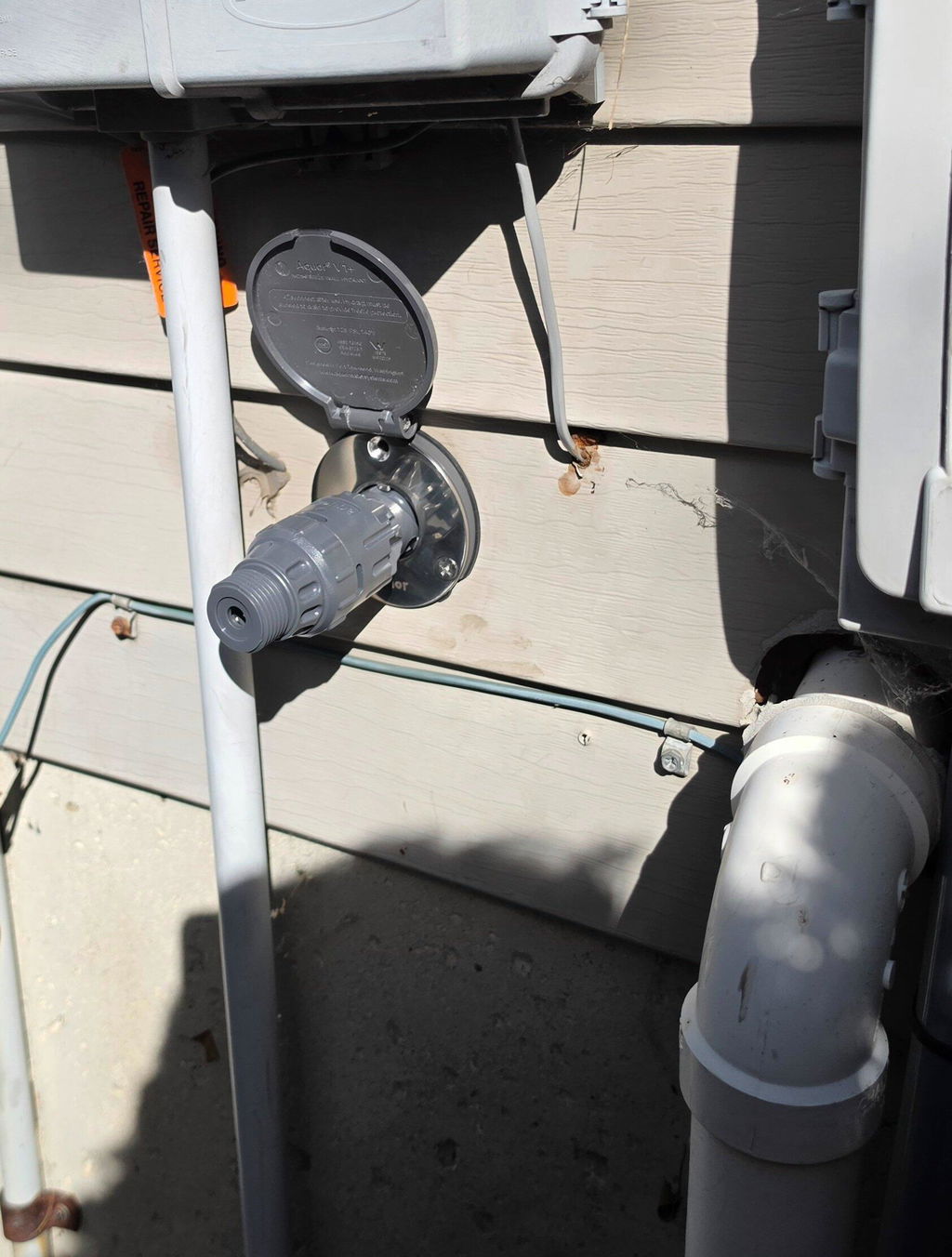
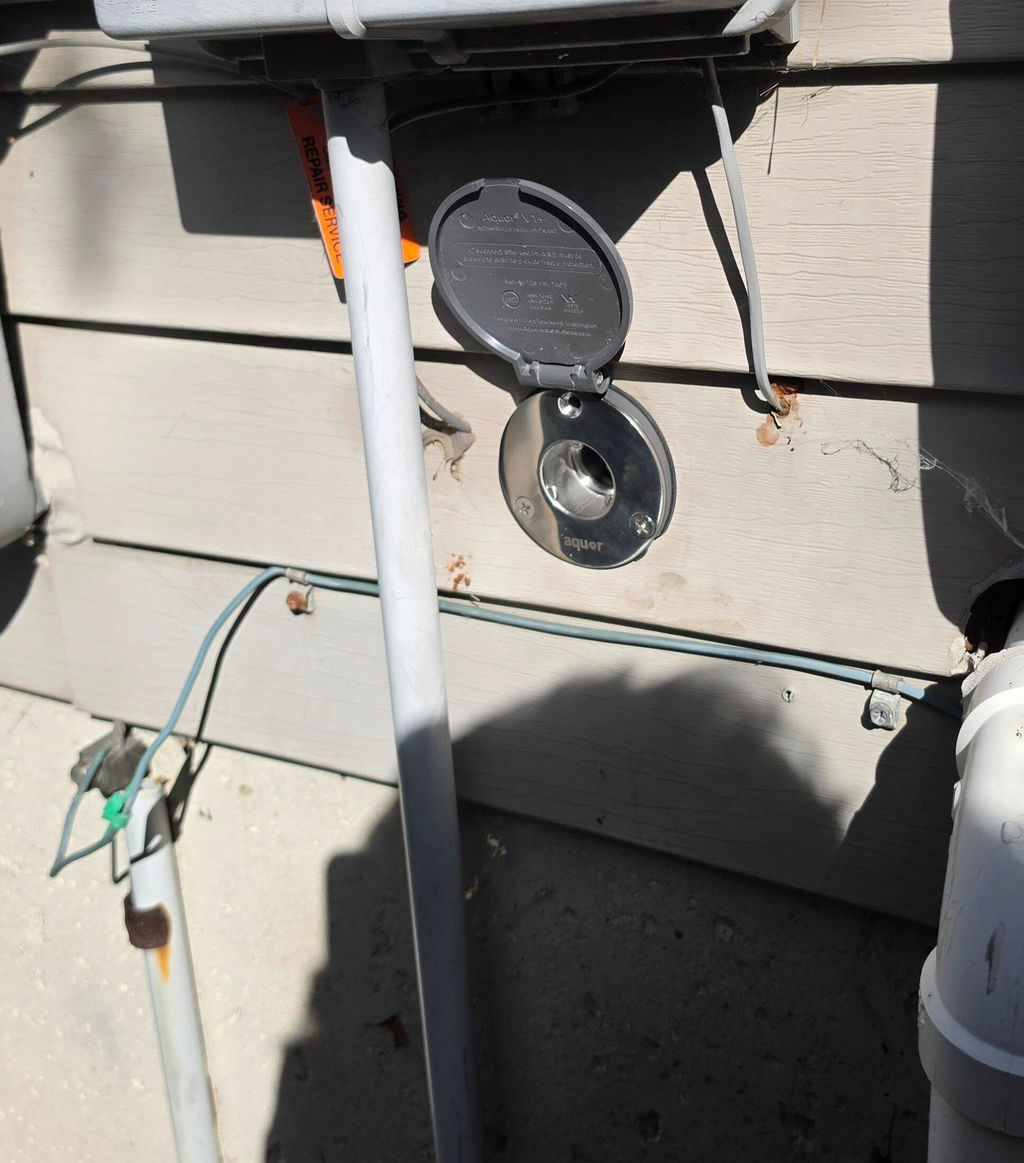
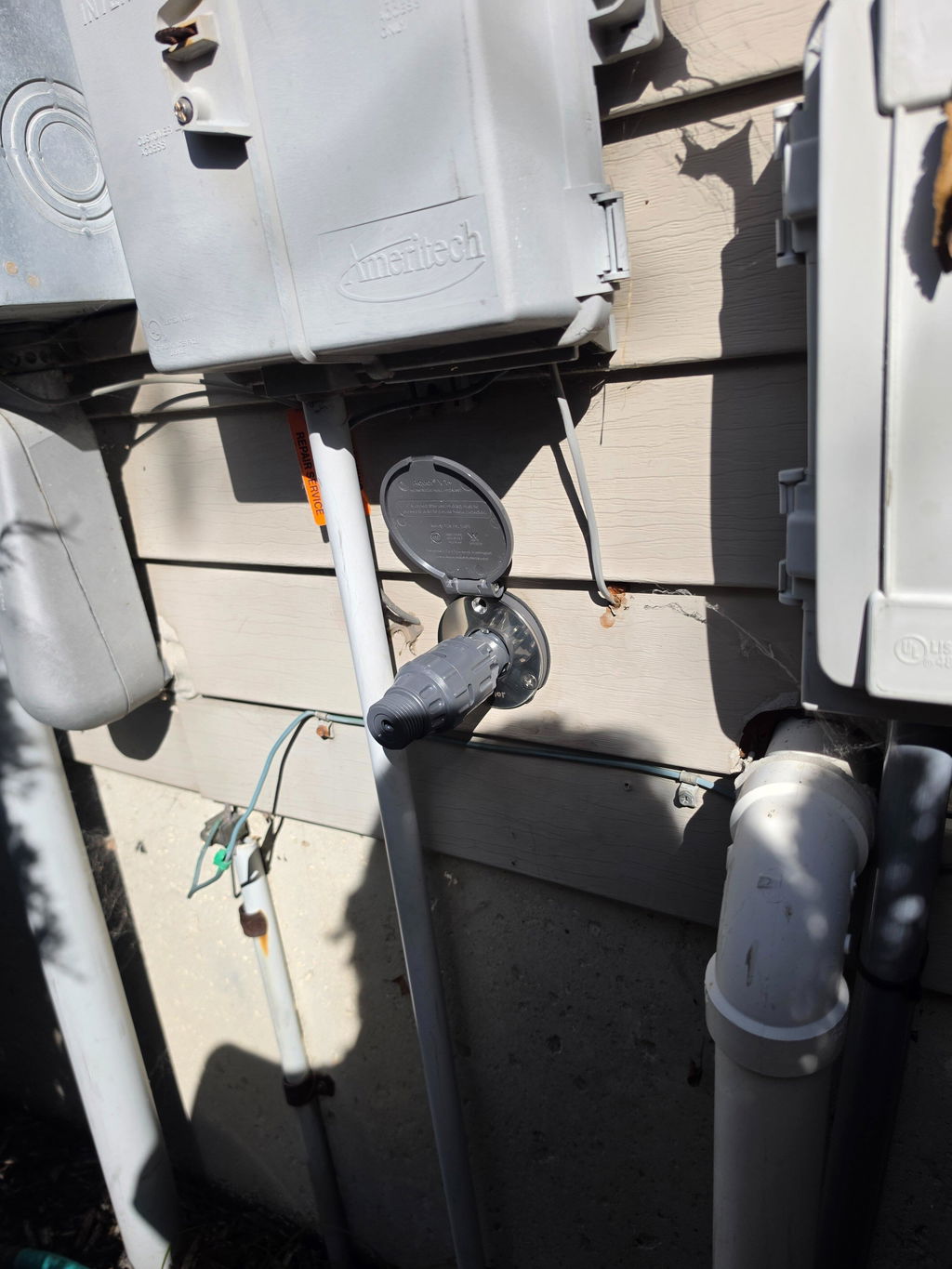
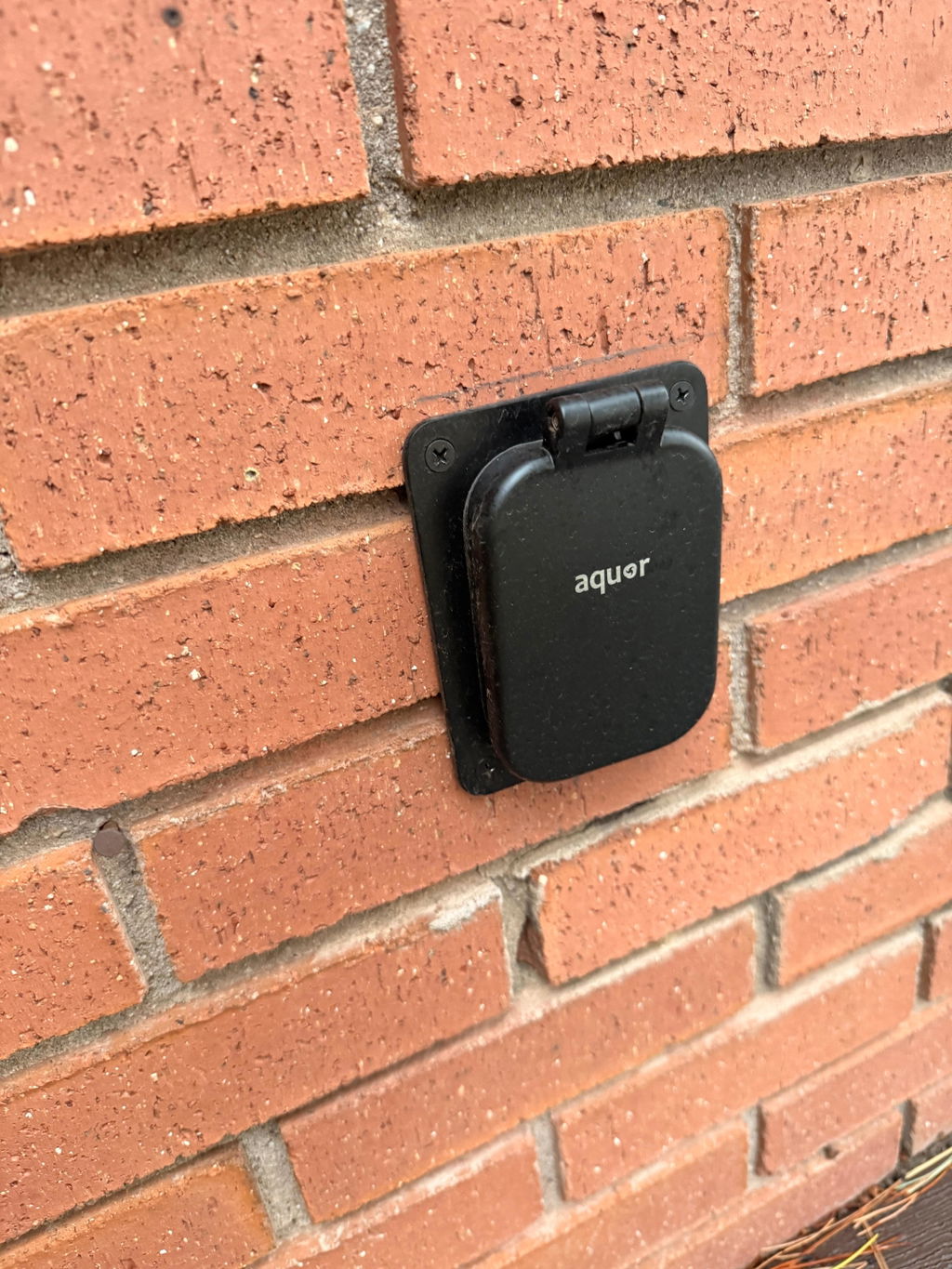
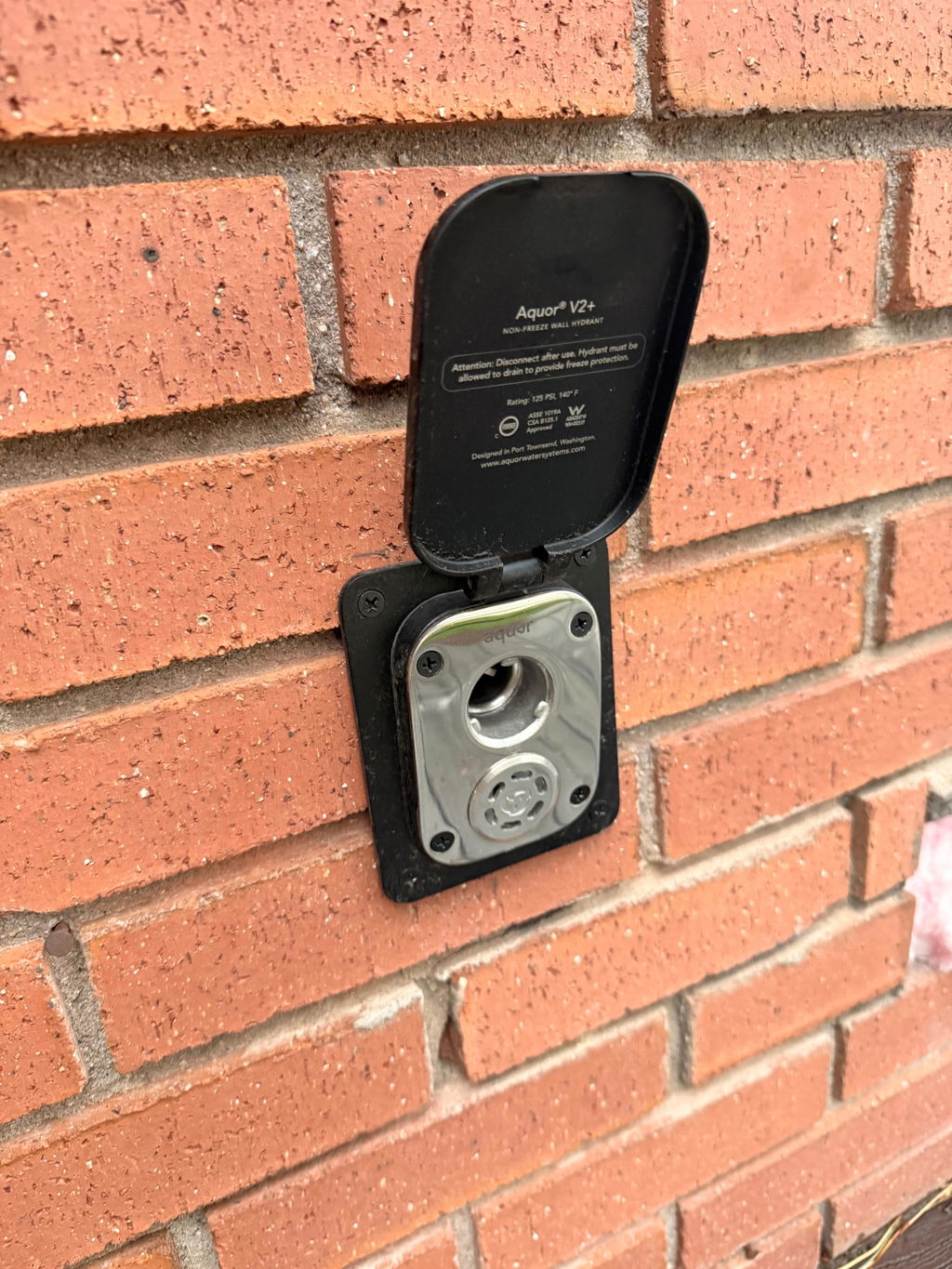
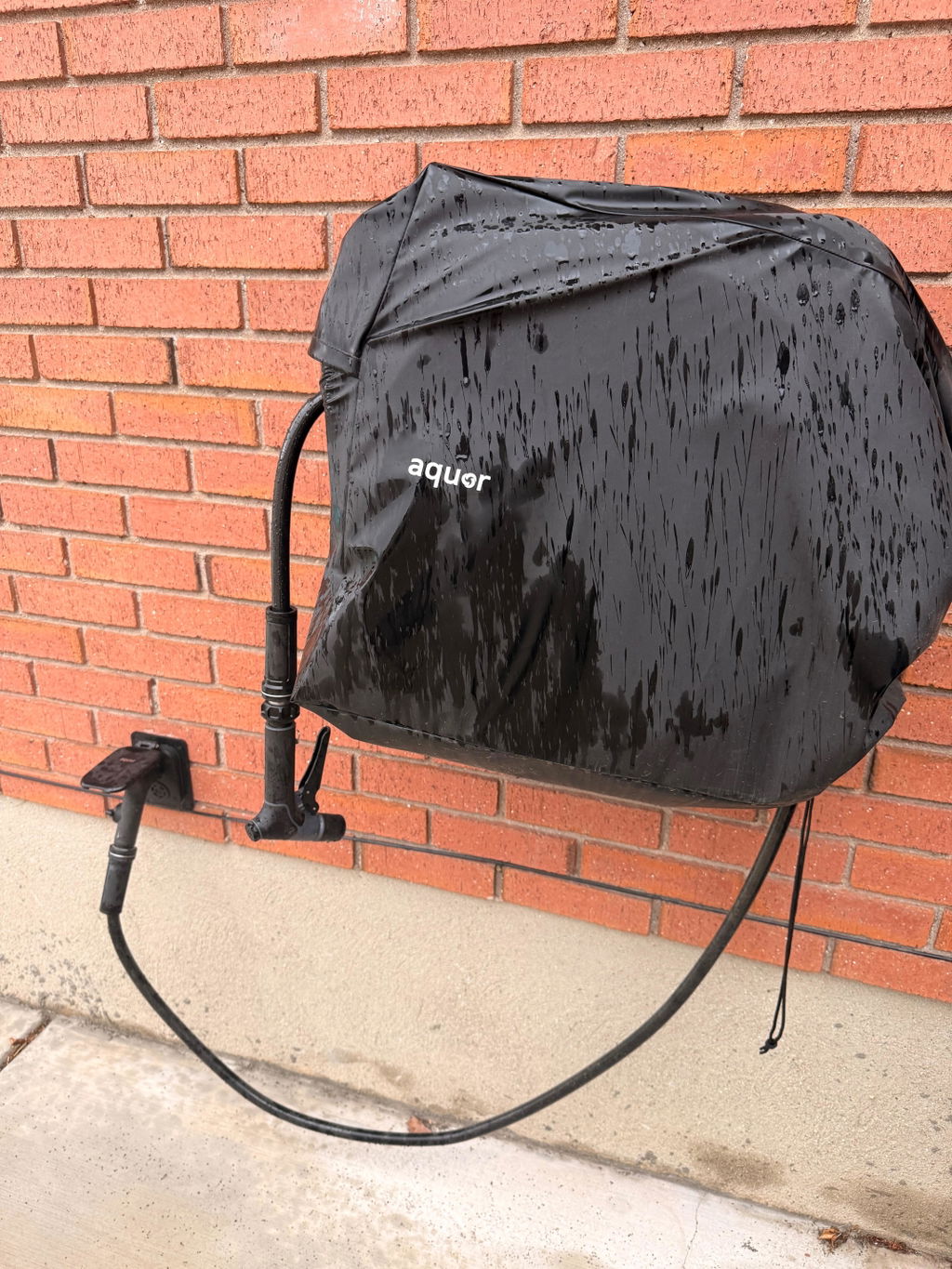
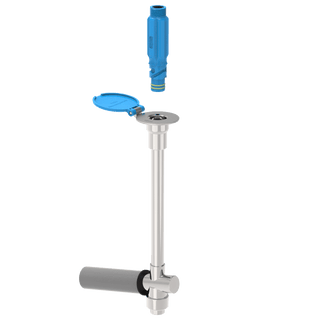
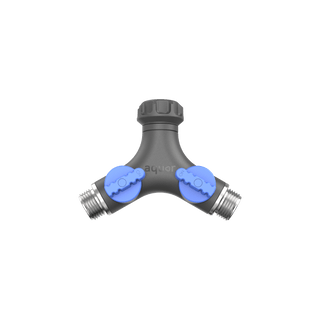
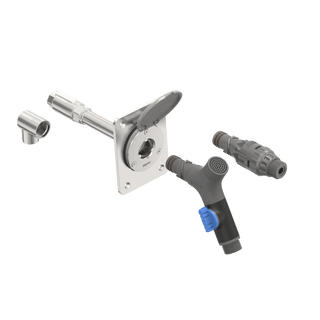
Check hoses, nozzles, and irrigation systems for leaks or inefficiencies to avoid wasting water during peak watering season. Aquor’s Hydrants provide quick, easy water access wherever you need it—and they’re frost-free, so you don’t have to worry about winterizing before the first frost hits.