





Looking for a simple way to conserve water and lower your utility bill? A rain barrel is an easy DIY project that collects and stores rainwater from your roof for later use.
Whether you're watering garden beds, potted plants, or your lawn, harvesting rainwater can help keep your plants healthy while reducing demand on municipal water systems.
What Is a Rain Barrel?
A rain barrel is a container that captures rainwater from a roof via a downspout.

Benefits include:
- Conserving water
- Reducing water bills
- Providing plants with naturally soft, chemical-free water
- Reducing stormwater runoff and erosion
- Helping gardens stay hydrated during dry periods
Materials You'll Need
Most DIY rain barrel setups require:
- A food-grade barrel (typically 50–55 gallons)
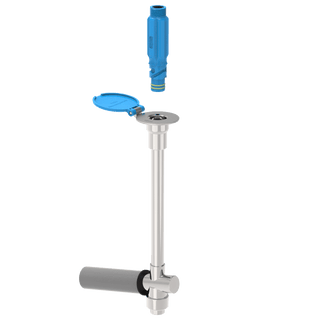
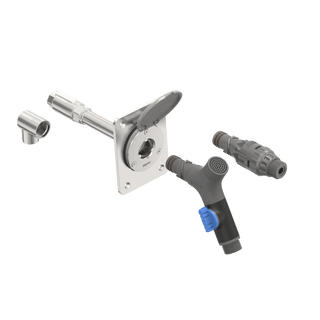
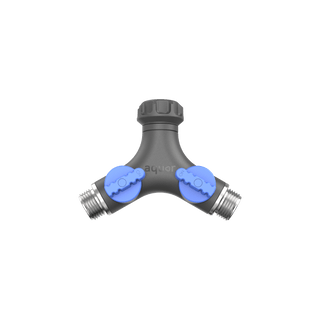
- Spigot or hose bib
- Overflow fitting
- Garden hose
- Screen or mesh cover
- Downspout diverter kit
- Drill and hole saw
- Waterproof sealant
Many home improvement stores also sell complete rain barrel kits.
Choose the Right Location

Place your rain barrel:
- Under an existing downspout
- On level ground
- Near garden beds or landscaping
- On a sturdy platform for improved water pressure
A raised barrel makes it easier to fill watering cans and attach hoses.
Install a Spigot
Install the spigot several inches above the bottom of the barrel.
This allows:
- Space for sediment to settle
- Easier hose attachment
- Improved water flow
Be sure all fittings are properly sealed to prevent leaks.
Connect the Downspout
Cut the existing downspout according to the diverter kit instructions.
The diverter will:
- Direct rainwater into the barrel
- Return excess water to the downspout when the barrel is full
This helps prevent overflow around your home's foundation.
Add an Overflow Outlet
An overflow outlet is essential during heavy rain.
Direct overflow water:
- Away from your foundation
- Toward a drainage area
- Into a second rain barrel if desired
Linking multiple barrels can significantly increase storage capacity.
Keep Mosquitoes at Bay
Standing water can attract pests.
Protect your rain barrel by:
- Installing a fine mesh screen
- Keeping all openings covered
- Regularly checking fittings and seals
- Planting natural mosquito-repelling plants such as lavender, catnip, rosemary, citronella grass

A properly maintained barrel should not become a mosquito breeding ground.
Use Your Stored Water
Collected rainwater is ideal for:
- Flower beds
- Vegetable gardens
- Trees and shrubs
- Container gardens
- General landscape watering
Avoid using untreated rainwater for drinking or food preparation.
Maximize Efficiency
A few upgrades can improve performance:
- Connect multiple barrels
- Add a soaker hose
- Install a timer-based irrigation system
- Add convenient water access near gardens

The easier it is to access water, the more likely you'll use your rainwater collection system regularly.
Maintenance Tips
To keep your rain barrel working properly:
- Clean screens and filters regularly
- Remove leaves and debris
- Check fittings for leaks
- Drain and winterize if required in your climate
- Inspect the barrel annually for cracks or wear
A DIY rain barrel is one of the easiest and most affordable ways to make your garden more sustainable. With a few basic materials and an afternoon of work, you can capture free water from every rainfall and put it to good use throughout the growing season. Your plants, wallet, and local watershed will all benefit.

Are you a visual person? Here's a helpful DIY rain barrel video created by The Millennial Gardener.
Sources: MMDIY