







How to Prepare Your Yard for Fall and Winter

As summer winds down, a little yard prep can go a long way toward protecting your landscape through fall and winter.
From cleaning up leaves to preparing outdoor water sources, this to-do list will help your yard stay healthy and ready for spring.
Give Your Lawn Some TLC

Mow your lawn one final time before winter.
Aerate compacted soil. Aerating means perforating hard, packed ground with small holes or removing tiny plugs of soil to loosen the structure and restore airflow, water movement, and nutrient access. Areas that often benefit from aeration include sections that receive substantial foot traffic, have been driven over by heavy equipment, have clay-like soil, or have been walked on while the soil is wet.
Overseed thin or bare areas. Overseeding is the process of spreading new grass seed directly over existing turf without tearing up the soil or starting from scratch. This technique helps fill in thin or patchy areas. Some homeowners choose to plant cool-season grass, like ryegrass, for the winter.
Apply fall fertilizer if appropriate for your grass type. Cool-season grasses like Kentucky bluegrass, fescue, and ryegrass benefit from fertilization from early September through late October, ideally four to six weeks before the ground freezes or average soil temperatures drop below 50°F. Warm-season grasses like Bermuda and zoysia generally require fertilization in summer, although a light early-fall application or winterizer can be used cautiously while the grass is still green.
Keep watering as needed until the ground freezes.
Clean Up Leaves and Debris
Don't let layers of wet leaves sit on your lawn all winter.

Rake or mulch fallen leaves. Mulching fallen leaves means chopping or shredding autumn leaves into tiny pieces so they can decompose quickly and enrich soil. Instead of raking, run a lawnmower or leaf shredder over the leaves. You can leave the shredded pieces on your lawn or collect them to use in garden beds as winter protection. Whole leaves block air and water, so do not leave or use whole leaves.
Clear leaves from pathways and drains. Clogged drains can cause a lot of problems! Gather fallen leaves before heavy rains begin.
Add healthy leaves to a compost pile. Read more on how to make your own compost here.
Remove dead or diseased plant material. Cut off diseased leaves or branches as soon as you spot mold, spots, or blight. Use sharp, clean shears so the plant can heal quickly and resist new infections. Cut into healthy tissue just below the affected area when pruning branches. Wipe your pruners or knives with a disinfectant spray or rubbing alcohol between cuts to avoid spreading pathogens. Put diseased debris in a sealed garbage bag and throw it in your trash. Avoid home composting, since backyard compost piles rarely get hot enough to kill stubborn plant pathogens.
Prepare Your Garden Beds
Fall is a great time to give garden beds a reset.
Pull annuals that have finished flowering. An annual plant completes its entire life cycle within one single growing season. Perennials live for more than two years, returning spring after spring without needing to be replanted. Unlike annuals, their root systems survive underground through winter, even if their top growth dies back.
Cut back plants where appropriate. It's best to research the proper steps for each individual plant. Some plants benefit from being cut back, while others receive root protection from colder weather when the leaves are left intact.
Add compost or mulch. Apply a two- to four-inch layer of compost or mulch around the base of your plants in late fall, after the first hard freeze. Applying it too early can trip heat and moisture, which tricks the plant into staying awake or encourages pests to nest near the roots. Pull back any existing weeds or rotting debris from summer growth, then add the mulch, leaving a two- to three-inch gap between the mulch and the actual stems or tree trunks. Lay the mulch down out to the plant's drip line—the edge of where its furthest leaves reach.
Wood chips or shredded bark are great choices for perennials, shrubs, and trees. Compost or well-rotted manure help add nutrients while insulating. Straw or clean hay are ideal for vegetable beds, strawberries, or protecting tender perennials. Shredded leaves are a free, natural choice. You have options!
Consider wrapping particularly vulnerable plants where appropriate. Burlap, canvas, or commercial frost blankets can safeguard tender shrubs and young trees from harsh freezing winds, heavy snow loads, and extreme temperature swings. Avoid using plastic, as it can trap moisture and cook plants on sunny days.

Plant fall bulbs for spring color. Once soil temperatures drop below 60°F, new bulbs typically have enough time to establish roots before the ground freezes. Tulips, daffodils, crocuses, hyacinths, and alliums are all beautiful choices. Tulips offer a wide array of bright colors, while daffodils are ignored by deer, rabbits, and squirrels. Crocuses are one of the first flowers to bloom, bringing much-needed life to a garden after long winter months.
Leave some seed heads standing for birds and beneficial wildlife. Coneflowers, sunflowers, and black-eyed Susans are all good food sources when resources are scarce.
Clean and Organize Your Outdoor Space
Fall is a great time to reset your outdoor living area.
Store cushions and outdoor furniture. Make sure your outdoor furniture lasts by storing it in your garage or a well-insulated shed. Just be sure to check for spiders before you bring it back out in the spring!
Clear patios, decks, and pathways. Sweep fallen leaves from your outdoor surfaces. Collect fresh leaves to use as mulch if you wish. Then spray down areas that are extra dirty.

Check outdoor lighting before shorter days arrive. Make sure all of your lights are functioning and have backup bulbs on hand. If you don't have battery-powdered lanterns, consider purchasing a few in case the power goes out. Battery-powered outdoor lighting is an option too!
Clean and Store Your Garden Tools
Before putting your tools away for the season:
Remove dirt and debris. Use your hose to spray down dirty equipment, then wipe dry with an all-purpose towel.

Sharpen pruners, shears, and mower blades. Get everything prepped for spring, so you're all set when it's time for lawn and garden maintenance next year.
Oil moving parts. Regularly oiling lawn and garden equipment can prevent rust, keep parts moving smoothly, and ensure engines do not overheat and seize up. Different equipment requires different oil, so research your specific tools before diving in. For example, if you use your pruners on edible crops or herbs, consider using food-safe camellia oil or mineral oil instead of motor lubricants.
Drain fuel-powered equipment as recommended by the manufacturer. Leaving untreated gasoline in your equipment for more than 30 to 60 days causes the fuel to degrade, creating sticky varnish and sludge that can clog the carburetor and damage the engine. Another option for many types of equipment is to fill and stabilize the fuel. Pour an alcohol-free fuel treatment directly into the tank of fresh gas—one ounce of stabilizer for every 2.5 gallons of gasoline. The tank should be filled to roughly 95%. Start the engine and run it for three to five minutes. This step ensures the treated fuel passes through the fuel lines and fills the carburetor.
Store tools somewhere dry and protected. A garage or well-insulated shed are both great places to store your tools. Leaving your equipment out in the elements will significantly shorten its lifespan.
Winterize Your Outdoor Water Supply
Before freezing temperatures arrive:
Disconnect garden hoses. Drain each hose and store it in your garage or a well-insulated shed. Install a hose hanger or two in your storage area to keep hoses tidy.
Drain water from exposed equipment. Make sure you drain water from your outdoor faucets, and shut off the relevant water valve inside your home if necessary. Traditional faucets may require a foam cover for extra protection as well.

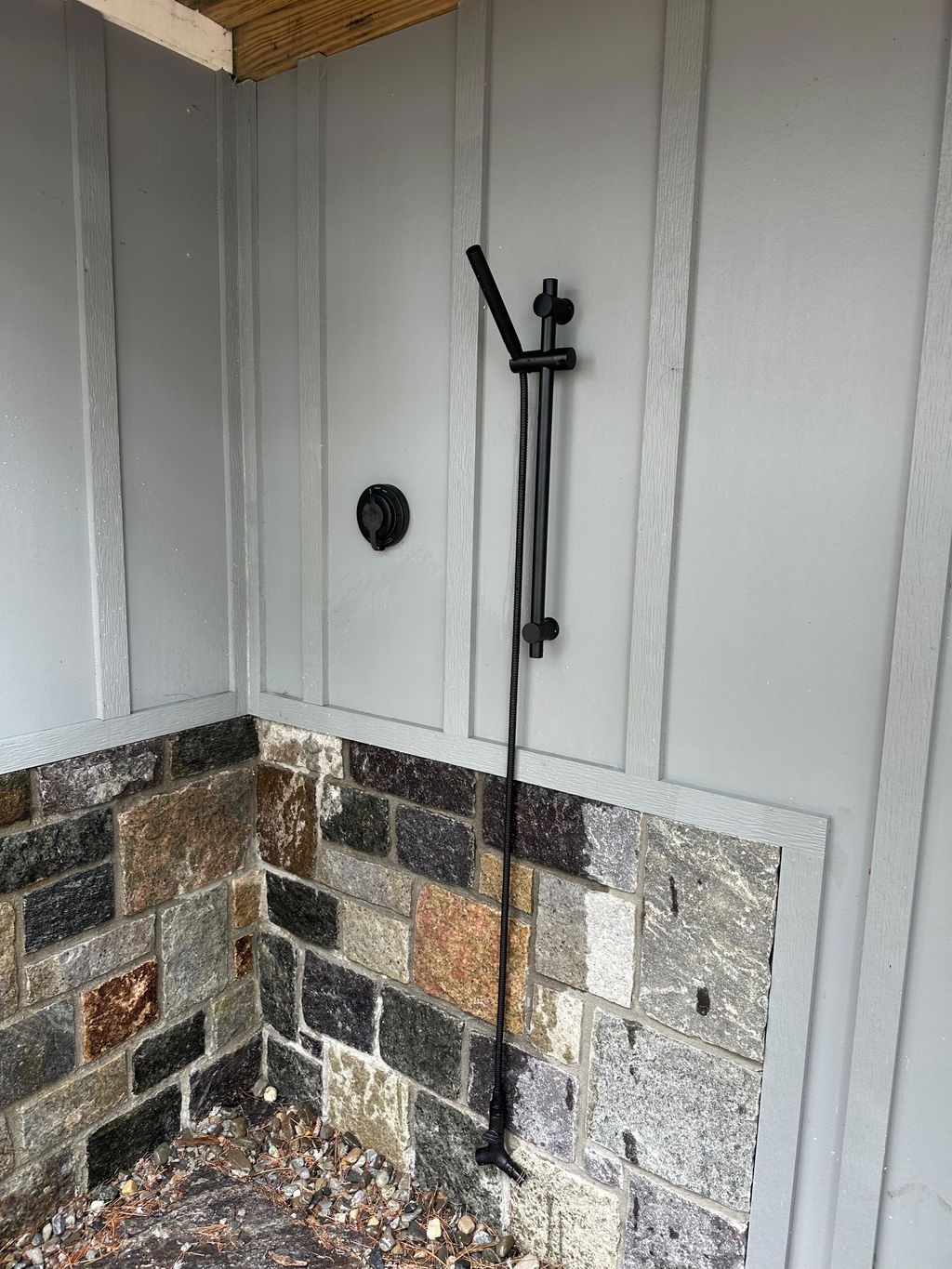
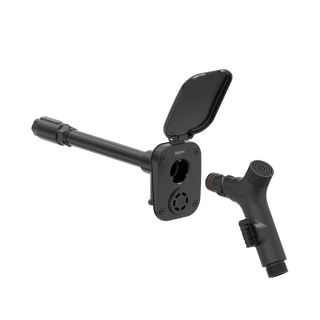
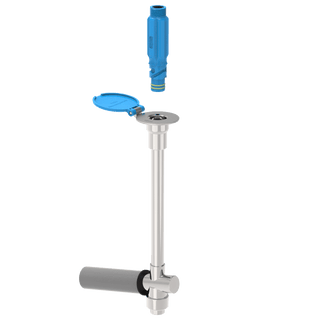
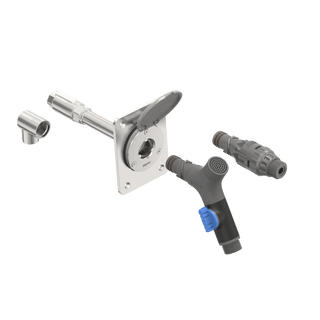
Inspect outdoor faucets for leaks. If there is a leak, replace your outdoor faucet before freezing temperatures hit—Aquor House Hydrants automatically drain and winterize upon disconnection, every time. Plus, they look a whole lot nicer than traditional spigots. No foam covers, no frozen pipes.
Make sure irrigation systems are properly winterized. Blow out the lines to avoid frozen pipes if needed.
Check Drainage Before the Rain Arrives
Fall and winter can bring plenty of moisture, so make sure water has somewhere to go.
Clear gutters and downspouts. Cleaning out gutters helps prevent costly water damage, foundation cracks, and pests by making sure water flows freely and away from your home.

Remove debris from yard drains. Clearing yard drains helps prevent localized flooding. When debris blocks the system, water backs up into your yard instead of safely draining away.
Check for areas where water pools. If a noticeable amount of water is collecting near your home, look into drainage options to make sure the water does not affect your home. There are different solutions depending on whether the water is located primarily on the surface of the ground or there's substantial subsurface moisture. Extending gutter downspouts, installing a dry well, amending your soil composition, and/or planting a rain garden are all possible solutions.
Redirect downspouts away from your home's foundation. Even if you aren't noticing pooling water, make sure all of your downspouts are funneling water a safe distance away from your home. Gutter downspout extensions and surface diverters are both easy options.
Refresh drainage gravel where necessary. Clean the rocks if you notice them becoming clogged with mud, silt, and weeds.
Make a Spring To-Do List
Before you officially turn in your trowel for the year, take a few minutes to document what needs attention next year:
Areas that need reseeding. Is part of your lawn looking sparse? After overseeding the areas that need it, check those spots again as spring nears.
Plants that need replacing. Take note of which annuals you plan on planting after the last frost and which flora simply didn't make it.
Garden projects you've been putting off. That blackberry bush may be quickly encroaching, but thankfully, it won't grow any further in the winter. Make solid plans to tackle the beast in the spring, along with other tasks that are less than fun. If you get these undertakings done at the beginning of the growing season, you'll be able to enjoy more rewarding gardening activities in peace.

Outdoor upgrades you'd like to knock out in spring. Didn't get around to laying a new patio or installing that pergola? Buy materials while they're on sale, so you're ready to go come spring. Psst... it's not too late to swap in new frost-proof outdoor faucets.
A little fall maintenance can make a big difference when winter arrives. By taking care of your lawn, garden, tools, outdoor water supply, and drainage now, you'll protect your yard through the colder months and have less work waiting for you when spring returns.