








What to Plant in Your Garden Late Summer Through Fall

Late summer and early fall can be an ideal time to incorporate new plants into your garden.
Cooler temperatures and increased rainfall can help plants establish their roots before winter, so they’re ready to flourish when spring rolls around.
Fall-Blooming Perennials

Add late-season color to your garden with asters, chrysanthemums, sedum, goldenrod, and Japanese anemone.
Check your planting zone—also known as hardiness zone—to confirm which perennials will grow best in your climate.
Spring-Blooming Bulbs

Fall is prime planting time for bulbs that need a period of cold dormancy to bloom. Some options to consider include tulips, daffodils, crocuses, alliums, and hyacinths. Come spring, you’ll have colorful flowers gracing your garden.
Cool-Season Vegetables

Depending on your growing zone, you may still have time for kale, spinach, lettuce, radishes, carrots, and broccoli.
In Cold Zones (Zones 2-7) plant these crops in late summer for a fall harvest. You can also plant them in early spring—a few weeks before the last frost.
In Warm Zones (Zones 8-11) plant these vegetables in autumn and winter. Intense heat can cause them to wilt, turn bitter, or bolt, which means the plant’s energy is directed toward producing seeds rather than veggies.
Native Plants

Fall can be a great time to establish native perennials, shrubs, and trees. Their roots will continue developing while temperatures are cooler, giving them a head start before spring.
Native plants benefit pollinators and wildlife while tending to require fewer resources to thrive. In other words, choose native when you can!
Trees and Shrubs

Fall planting isn’t limited to flowers. Consider adding native trees, berry-producing shrubs, evergreen shrubs, and ornamental grasses. Some options will remain green year-round, adding color and visual interest to your garden even during the winter.
Cover Crops

Cover crops such as clover, rye, and oats can help protect bare soil and add organic matter to vegetable gardens. Clover is pollinator-friendly, too!
Once you’ve finished planting, give everything a thorough watering and add a layer of mulch. Water your plants as needed until the ground begins to freeze. Then, you’re set until spring!
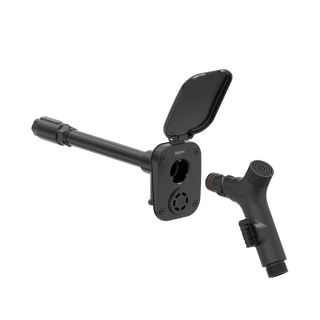
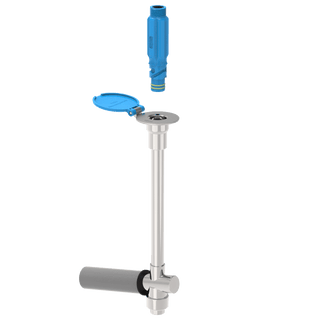
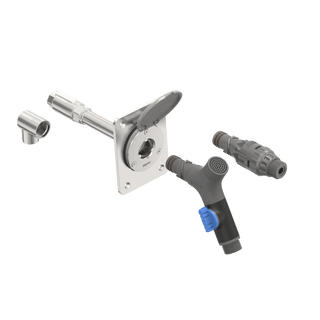
P.S. Our House Hydrants paired with our Retractable Hose Reel make watering extra easy.
Interested in more tips? Read our Beginner's Guide to Summer Gardening.


